 Skip to content
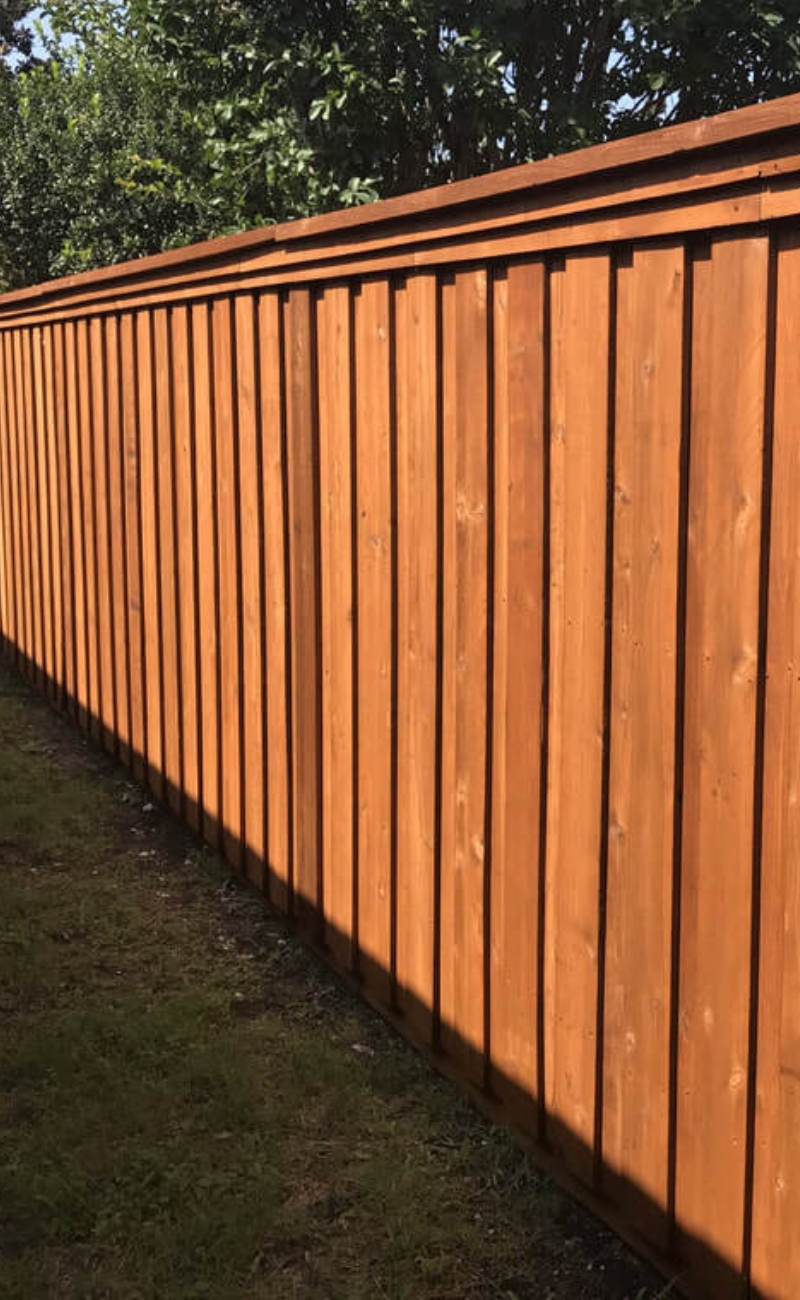
AA successful fence installation starts well before the first post goes into the ground. Preparing your property ahead of time can help eliminate unexpected obstacles, make the installation process more efficient, and ensure the finished fence works the way you intended.
For Florida homeowners, that preparation means more than simply choosing a fence material. Property boundaries, local requirements, landscaping, underground utilities, gates, drainage, and the way you actually use your yard can all influence the final layout. Taking time to work through those details before installation gives your fencing contractor a clearer project and helps you avoid changes once work is underway.
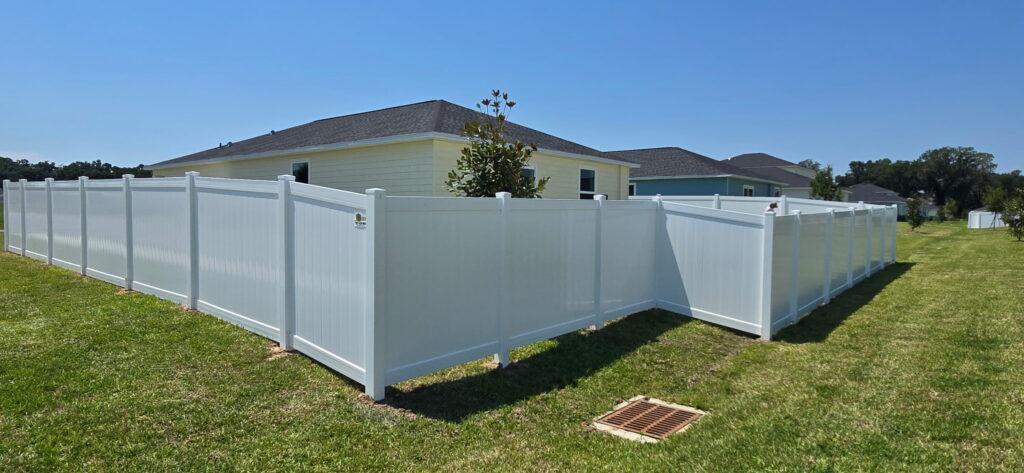
Whether you are installing a vinyl privacy fence, aluminum fencing, a security fence, or a custom gate system, these five steps can help get your property ready.

Confirm Your Property Lines Before Installation Begins
Before finalizing the fence layout, make sure you understand exactly where your property begins and ends. Existing landscaping, mowing patterns, old fence lines, and where neighboring properties appear to meet are not always reliable indicators of a legal boundary. Installing a fence in the wrong location can create unnecessary disputes or force portions of the project to be moved later.
Review any available property records or surveys before installation. If the boundary is unclear, resolving that question before work begins is much easier than discovering a problem after posts have already been installed.
This is also the time to think about how much of the property you actually want to enclose. A homeowner primarily looking for backyard privacy may need a very different layout than someone enclosing a pool, creating a secure area for pets, or fencing a larger residential property. Establishing those goals early helps your fence contractor recommend a layout that makes sense for the property rather than simply following the most obvious perimeter.
Check HOA Rules, Permits, and Local Fence Requirements
Fence requirements can vary depending on where you live and the type of property being fenced. Before installation, homeowners should determine whether their municipality, county, homeowners association, or community has requirements affecting fence height, placement, materials, appearance, setbacks, or gates.
This step is especially important if you live in a planned community. An HOA may restrict certain fence styles or require approval before installation begins. Pool enclosures and other specialized applications may also have requirements that affect the design.
Working through those details before materials are ordered can prevent delays and last-minute design changes. It also gives you a better opportunity to select a fence that satisfies practical requirements while still delivering the privacy, security, or appearance you want. Big Sun Fencing serves communities throughout Florida, so homeowners can also work with an experienced local fencing team when planning their project.
Clear the Fence Line and Prepare the Installation Area
Once the proposed fence line is established, take a close look at what currently occupies that space. Shrubs, vines, low tree limbs, decorative landscaping, stored equipment, yard furniture, toys, and other obstacles can restrict access to areas where posts and panels need to be installed.
You do not necessarily need to redesign your landscaping before the installation crew arrives, but creating a reasonably accessible work area can make the process smoother. Pay particular attention to plants or landscape features you want preserved. Identifying those areas ahead of time allows you to discuss them with the installer instead of making decisions while work is already underway.
Florida properties can also present less obvious challenges. Uneven terrain, roots, sandy or wet areas, drainage paths, and changes in elevation can all affect how a fence interacts with the yard. Those conditions do not necessarily prevent installation, but they should be identified during planning so the fence design can account for the property instead of fighting against it.
Locate Underground Utilities Before Digging
Fence installation requires digging multiple post holes, which makes underground utilities an important part of preparing the property. Utility lines can run through areas that otherwise appear completely open from the surface, so their location needs to be considered before excavation begins.
Homeowners should also think beyond public utilities. Private irrigation components, landscape lighting, pool equipment lines, drainage systems, or other homeowner-installed features may run through the proposed fence area. If you know where those systems are located, make sure your fencing contractor knows as well.
This is particularly important on developed Florida properties where irrigation and drainage systems may cover large portions of the yard. Identifying potential conflicts early gives the installer more information when determining post placement and can reduce the risk of unexpected complications during installation.
Plan Gates, Access Points, and the Final Fence Layout
A fence should do more than follow the edge of your yard. It should make the property easier to use. Before installation, think carefully about where people, lawn equipment, vehicles, pets, and service providers need to enter and exit the enclosed area.
A small pedestrian gate may be sufficient for everyday backyard access, but homeowners with riding mowers, trailers, boats, recreational equipment, or larger landscaping needs may benefit from wider access. Gate placement should also account for driveways, walkways, patios, pools, and the routes your household already uses.
For properties where appearance matters as much as access, an estate gate can become an intentional part of the overall design rather than an afterthought. Larger residential or commercial properties may also benefit from gate automation, while properties with livestock or acreage require a completely different approach to access and fencing.
Planning those elements together helps create a finished system in which the fence, gates, and property work as one. Big Sun Fencing offers everything from residential fencing and farm fencing to estate gates, automated gates, security fencing, and custom fabrication, allowing the overall project to be designed around the needs of the property.
Start Your Fence Project With a Plan
A little preparation before installation can make a major difference once your fence project begins. By confirming boundaries, understanding property requirements, clearing the installation area, identifying underground obstacles, and planning access points ahead of time, you can help create a smoother path from the initial estimate to the finished fence.
Big Sun Fencing has served the Florida market since 1989, providing design, fabrication, and professional installation for residential, commercial, and industrial fencing projects. With options including vinyl, aluminum, farm and security fencing, estate gates, gate automation, and custom fabrication, our team can help you plan a fencing solution around the way your property actually needs to function.
Contact Big Sun Fencing today to request a free estimate and start planning your next fence installation.